When a commercial vehicle stops moving, the problem is rarely just the vehicle. A disabled truck, box truck, bus, trailer, work vehicle, or equipment unit can interrupt appointments, delay deliveries, block a lot, tie up staff, and create safety questions for everyone nearby. For Raleigh-area businesses, the best towing call is not just “send a truck.” The better call is clear, specific, and prepared enough for dispatch to understand what kind of equipment, access, and timing the situation needs.
This checklist is written for business owners, managers, fleet contacts, property managers, contractors, and office staff who may need to request heavy-duty towing or commercial vehicle help around Raleigh, Garner, Cary, Holly Springs, Fuquay-Varina, Willow Springs, Dunn, Angier, Coats, and nearby Wake County routes. It does not replace the judgment of the dispatcher or the operator on scene. It simply helps you gather the details that make the call smoother, safer, and more useful.
Start With Safety Before You Start With Details
Before gathering vehicle information, make sure people are not standing in an unsafe place. If the vehicle is on a road shoulder, near active traffic, at an intersection, in a blind curve, or blocking a lane, the first priority is getting people away from moving vehicles. If the situation involves a crash, injuries, fire, fluid spill, unstable load, aggressive traffic, or a vehicle creating a road hazard, call emergency services first.
If the vehicle is on private property, safety still matters. A disabled truck in a loading dock, storage yard, shopping center, apartment complex, jobsite, church lot, or dealership can still create risk if people keep walking around it or if other vehicles try to squeeze past. Keep the area clear, use cones or visible markers if you have them, and avoid trying to move a heavy vehicle with equipment that is not made for the job.
Know What You Are Calling About
The first useful detail is the vehicle or item type. Dispatch needs to know whether the call involves a box truck, dump truck, work van, shuttle bus, RV, tractor, trailer, pickup with equipment, fleet vehicle, landscape truck, utility body, forklift, container, machine, or another type of commercial asset. “Truck” can mean many different things. The more exact you can be, the better the dispatch decision will be.
If you know the make, model, body style, approximate length, or whether the vehicle is loaded, share that too. A loaded box truck is not the same call as an empty one. A bus with air issues is not the same as a small work van with a dead battery. A trailer stuck in a tight yard may need different planning than a vehicle sitting open in a large parking lot. These details help avoid sending equipment that is too small, poorly matched, or missing the access needed for the scene.
Give the Location Like Someone Has to Find It
For business calls, the address alone is sometimes not enough. Large properties, apartment communities, shopping centers, industrial parks, construction sites, and warehouse areas may have multiple entrances. A good location description includes the street address when available, the nearest cross street, the business or property name, the entrance to use, and where the vehicle is located once the operator enters the property.
If the vehicle is near I-40, I-440, US-401, US-70, NC-55, or another major road, explain the direction of travel, nearby exit, shoulder location, landmark, or safe meeting point. If the driver can share a map pin, that may help. If the location is behind a locked gate or inside a fenced yard, say that during the first call so access does not become the next delay.
Explain What Is Wrong Without Guessing Too Much
You do not need to diagnose the vehicle. You only need to describe what happened and what you can see. Helpful examples include: the truck will not start, the vehicle is stuck in mud, the bus will not build air, a tire is damaged, the steering will not respond, a trailer is leaning, the vehicle is in park and will not shift, the vehicle is loaded, the front end is damaged, the battery is dead, or the driver says it should not be driven.
Avoid overstating certainty. If you are not sure whether the issue is mechanical, electrical, tire-related, or access-related, say that. A clear “we are not sure, but this is what we see” is more useful than a confident guess. The dispatcher and operator can work from real scene details.
Check Access Around the Vehicle
Access is one of the biggest differences between a simple call and a complicated one. Before calling, look around the vehicle if it is safe. Is there enough room in front of it? Behind it? Beside it? Is the ground paved, gravel, dirt, grass, or mud? Are there low tree limbs, parked cars, loading dock edges, tight turns, fences, curbs, equipment, trailers, dumpsters, or overhead wires in the way?
If the vehicle is in a tight space, say so. If the operator will need to back into a narrow driveway, enter a busy lot, work near a loading dock, or coordinate with property staff, those details matter. For equipment moves and commercial work, access can be just as important as vehicle size.
Have One Decision Maker Available
Business calls often involve several people: the driver, the dispatcher, the office, a property manager, a supervisor, a shop, and sometimes a customer waiting on the vehicle. Before the tow is requested, decide who is authorized to approve the service, confirm the destination, answer questions, and meet the operator if needed. Too many separate conversations can slow down the job.
That person should know where the vehicle needs to go. If it is going to a repair shop, confirm the shop name, address, hours, gate instructions, and whether the shop is expecting it. If it is going to a yard, business location, dealership, fleet lot, or storage location, confirm access. A tow can be delayed if the destination is closed, locked, or unclear.
Prepare Payment and Contact Information
Commercial calls move faster when billing and contact information are ready. Have the business name, contact name, phone number, email, service address, destination address, and any internal reference number available. If your company has a fleet contact or manager who must approve charges, involve that person early.
If the vehicle belongs to a customer, tenant, subcontractor, employee, or another business, confirm who is authorizing the move. Do not assume the person standing nearby has permission to request a tow or choose the destination. Clear authorization protects the business, the vehicle owner, and the towing operator.
Use Photos the Right Way
Photos can help, especially for heavy-duty or unusual access calls. A wide photo of the vehicle and surrounding space is often more useful than a close-up of one tire or bumper. If safe, capture the whole vehicle, the approach path, the ground surface, nearby obstacles, and any visible damage or load issue. Do not step into traffic or unsafe areas to take photos.
For business use, avoid sharing photos that show private customer information, documents, addresses, faces, license plates, account numbers, or anything that should not be public. Photos are useful for dispatch and planning, but privacy still matters.
When to Ask for Heavy-Duty Towing Instead of a Regular Tow
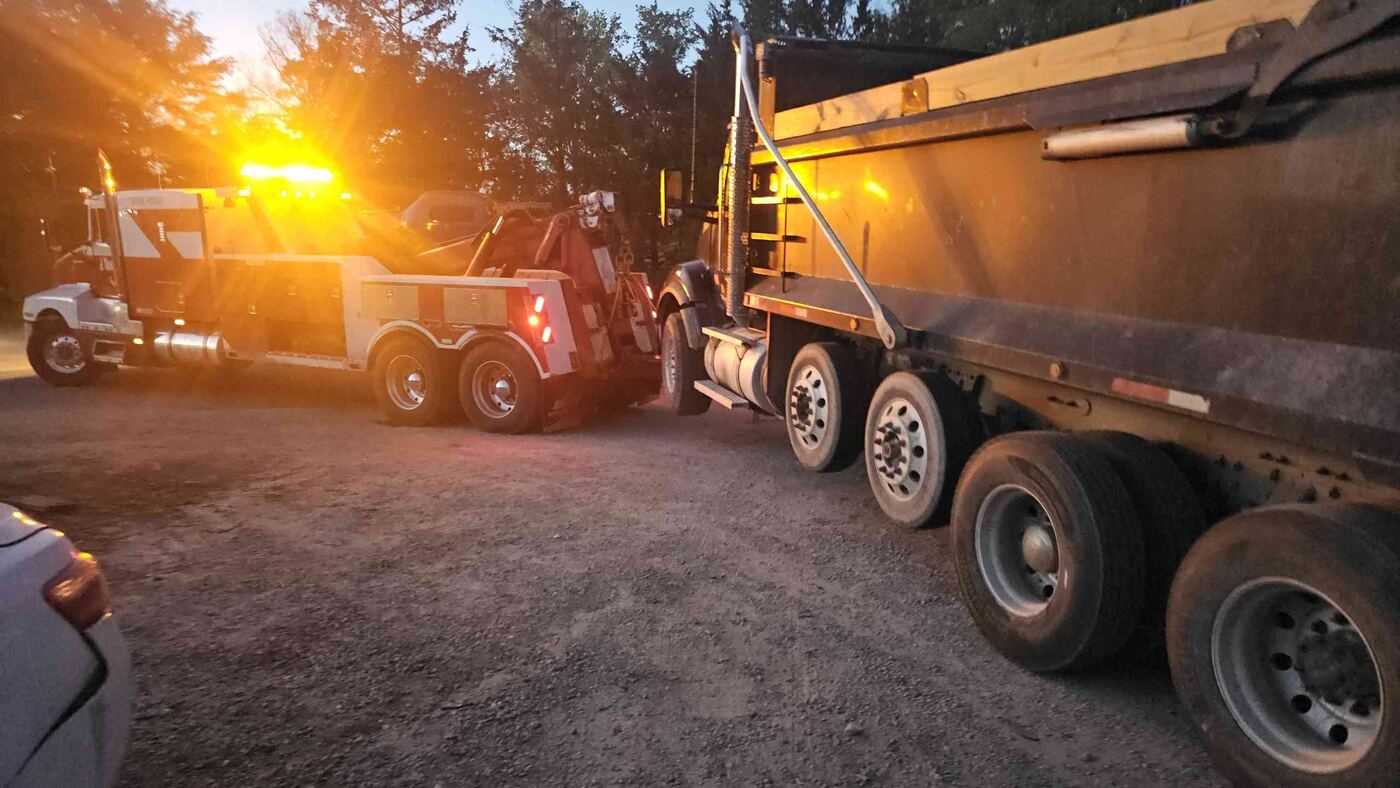
If the vehicle is oversized, commercial, loaded, stuck, damaged, difficult to access, or too heavy for ordinary equipment, ask about heavy-duty towing instead of assuming a regular tow truck will handle it. Raleigh-area businesses may need heavy-duty help for box trucks, buses, RVs, dump trucks, commercial fleet vehicles, equipment, trailers, and vehicles in awkward positions.
Regular towing and business fleet towing are not the same planning conversation. Commercial work often has more variables: schedule impact, destination access, loaded weight, property rules, traffic exposure, and coordination with staff or repair facilities. The right call starts with honest information.
A Simple Call Checklist
- Is everyone safe and away from traffic or hazards?
- What type of vehicle, trailer, equipment, or commercial asset needs help?
- Is it loaded, damaged, stuck, locked, disabled, or difficult to access?
- Where exactly is it, and which entrance should the operator use?
- What is the destination, and is that location open or accessible?
- Who is authorized to approve the service and answer questions?
- Are there photos that safely show the vehicle and access area?
- Are payment, business contact, and destination details ready?
If your business needs help with a commercial vehicle, heavy-duty vehicle, RV, bus, or fleet issue in the Raleigh area, start with clear details and a safe scene. JTOWS can use that information to understand what is happening, what kind of response may be needed, and how to approach the job with fewer surprises. For service details, start with heavy-duty towing in Raleigh and Wake County, equipment transport, or roadside help.
Leave a Reply