Wake County RV Towing
Wake County RV towing with clear roadside help, secure loading, and route-aware support.
Whether you are near Wake County freeways or in side road travel, this service page explains exactly how JTOWS manages safe RV response.
Who this is for
- RV owners stranded on highways or residential routes.
- Campers returning late after long drives.
- Operators needing secure transport and temporary handling guidance.
Before arrival, be ready with
- Roadside position and whether the vehicle is safe to access.
- Exact RV length and cargo/security notes.
- Drop-off preference and nearest repair network if known.
What makes this page useful before dispatch
These are the practical details that help JTOWS send the right help without turning the service page into a long article.
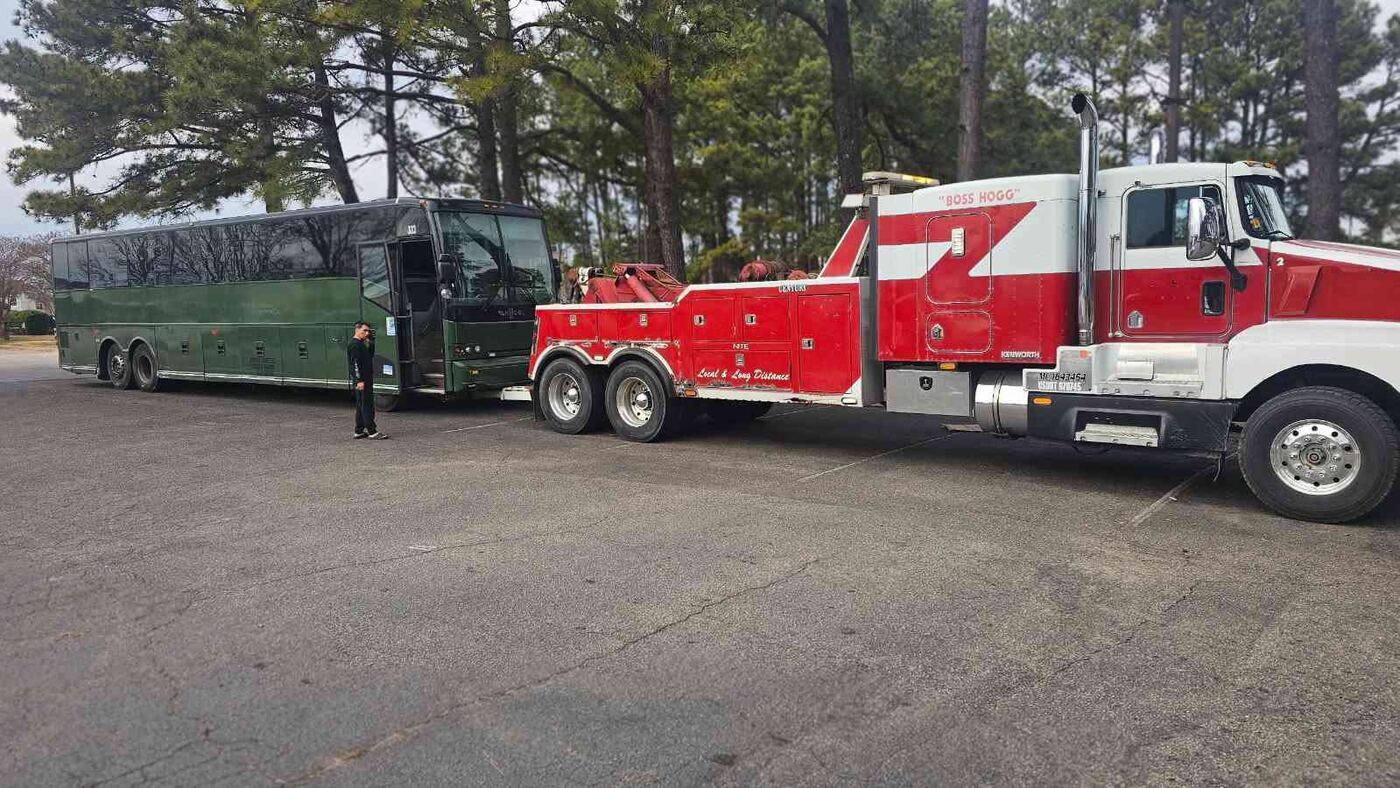
RV and bus fit check
Dispatch should confirm length, height, brake condition, access, and destination space before the vehicle is moved.
Damage-prevention focus
The tow plan should account for clearance, overhang, driveline risk, storage compartments, steps, awnings, and attached gear.
Receiving-site planning
Campgrounds, repair facilities, storage yards, and private drives need enough turning room and after-hours access.
Helpful towing articles
Read the full guide when you need detail. This service page stays short so you can get to the right help quickly.
Can an RV Be Towed Without Damage?
A practical guide to RV towing risks, preparation, securement, and the information dispatch needs before moving a motorhome or camper.
Do You Tow Buses?
A guide for shuttle, church, school, party, and small bus towing questions in the Raleigh and Wake County area.
How Fast Can a Tow Truck Arrive?
A realistic Raleigh-area guide to tow truck arrival times, dispatch variables, traffic, truck matching, and what callers can do to reduce delays.
Related JTOWS resources
Use these towing, roadside, and local help pages to match the right truck, service area, or next step.
Related services
Service areas
Photos from actual JTOWS work